Category: Cocktail history

  • Navy rum and grog: from Admiral Vernon to Black Tot Day

    Navy rum and grog: from Admiral Vernon to Black Tot Day

    In short: Navy rum was the spirit issued daily to Royal Navy sailors for more than two centuries. In 1740 Admiral Edward Vernon ordered it mixed with water, creating grog, named after his nickname “Old Grog”. The daily tot ended on Black Tot Day, 31 July 1970. Sailors’ rum later fed the American tiki bar, starting with Donn Beach in 1933.

    Yacht clubs gave a Denver bar its name; navies gave the world many of the rum drinks served in bars like it. RiNo Yacht Club’s opening menu featured a rum cocktail called the Age of Exploration, a reminder of how closely seafaring and drinking are tied. This guide traces the navy rum ration from its origins to its end, and follows rum ashore into tiki bars and classic cocktails. It is part of The RiNo Logbook, and the facts come from the naval histories and references listed at the end.

    What is navy rum?

    Navy rum is the strong rum issued to sailors of the Royal Navy as a daily ration, and today also a style of rum sold in its memory. Grog is rum diluted with water, sometimes with lime or sugar added. A tot is a single measured ration of rum. The Navy Records Society says the tot at the end was an eighth of a pint, and Wikipedia’s grog article gives the traditional navy strength as 54.6 percent alcohol by volume.

    Rum was not always the drink. Wikipedia’s rum ration article says that before 1800 British sailors were generally given mild beer, with wine or local spirits when beer ran out: brandy in the Mediterranean, arrack in the East Indies and rum in the West Indies. Around 1806 rum became the standard spirit, and the daily issue lasted until 1970.
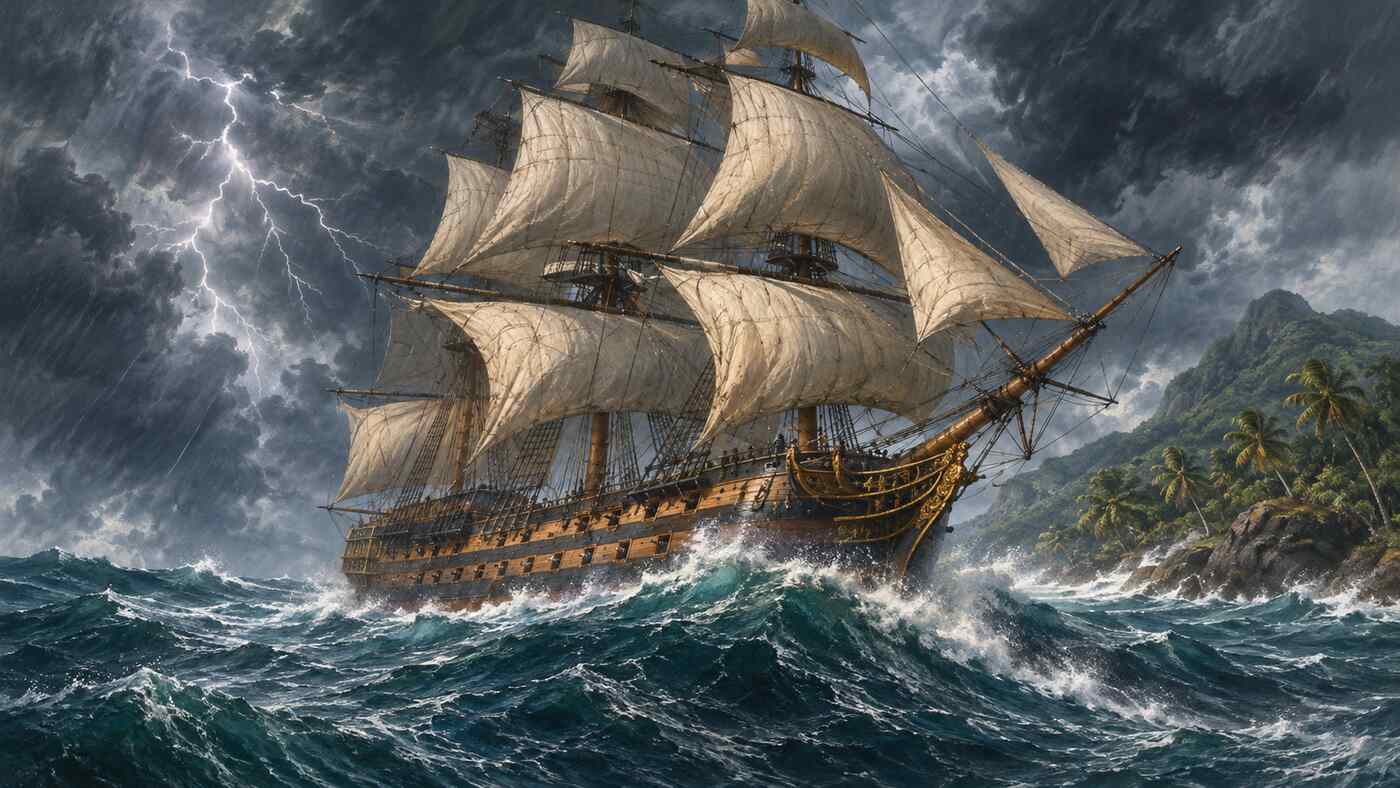
    An eighteenth-century wooden warship under sail on a stormy Caribbean sea
    Rum became part of naval life in the Caribbean. Illustration.

    Admiral Vernon and the birth of grog

    The US Naval Institute’s history of grog, published in Proceedings in 1959, tells the story. Admiral Edward Vernon had promised to take the Spanish stronghold of Porto Bello in Panama with six ships, and it surrendered on the second day of fighting. His men called him “Old Grog” after the boat cloak of a coarse material called grogram that he wore on deck. Vernon disliked strong drink, and in 1740, the article says, he tried a weaker mixture of rum and water partly in the hope of preventing the fevers that had hit earlier Caribbean expeditions.

    According to Wikipedia’s grog article, the usual mix became four parts water to one part rum, and the practice was written into naval regulations in 1756. Vernon’s order allowed thrifty sailors to buy sugar and limes to make it more palatable, though Wikipedia notes that the popular claim that Vernon himself added citrus is not the case. The sailors gave the mixture its name from Vernon’s nickname, and it stuck.

    The rum ration in dates

    YearEvent
    1740Admiral Vernon orders rum mixed with water: grog
    1756Watered rum written into Royal Navy regulations
    1850Ration cut to an eighth of a pint
    31 July 1970Black Tot Day: last Royal Navy rum issue
    1990Royal New Zealand Navy ends its rum ration
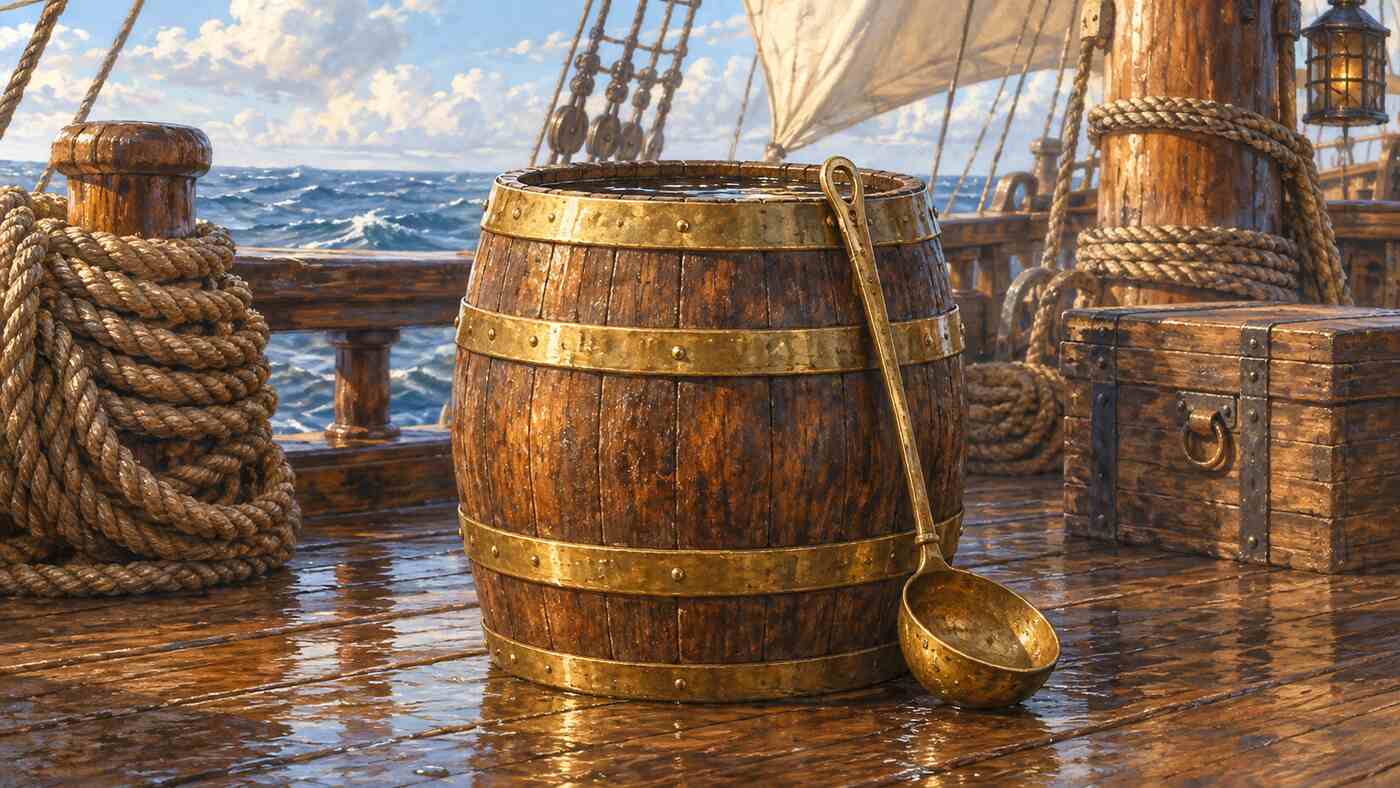
    A wooden barrel with brass bands and a ladle on the deck of an old sailing ship
    Grog was mixed and served from a tub on deck. Illustration.

    Black Tot Day, 31 July 1970

    The ration was cut over time. Wikipedia’s grog article records that it was reduced to an eighth of a pint in 1850. The Navy Records Society reproduces the Admiralty Board’s announcement of 17 December 1969, which said abolition was needed “in the interest of health, safety and efficiency in the Fleet” because rum did not fit ships using “complex and delicate equipment”. It stressed the decision was not about saving money. The last issue was on 31 July 1970, Black Tot Day.

    The ending came with compensation. The Navy Records Society says a £2.7 million lump sum went into a charitable Sailors’ Fund for ratings and their dependants, and junior ratings could instead buy up to three cans of beer a day. Wikipedia’s rum ration article records that the Royal Canadian Navy ended its ration on 31 March 1972 and the Royal New Zealand Navy on 28 February 1990, which it calls the global end of the rum ration.
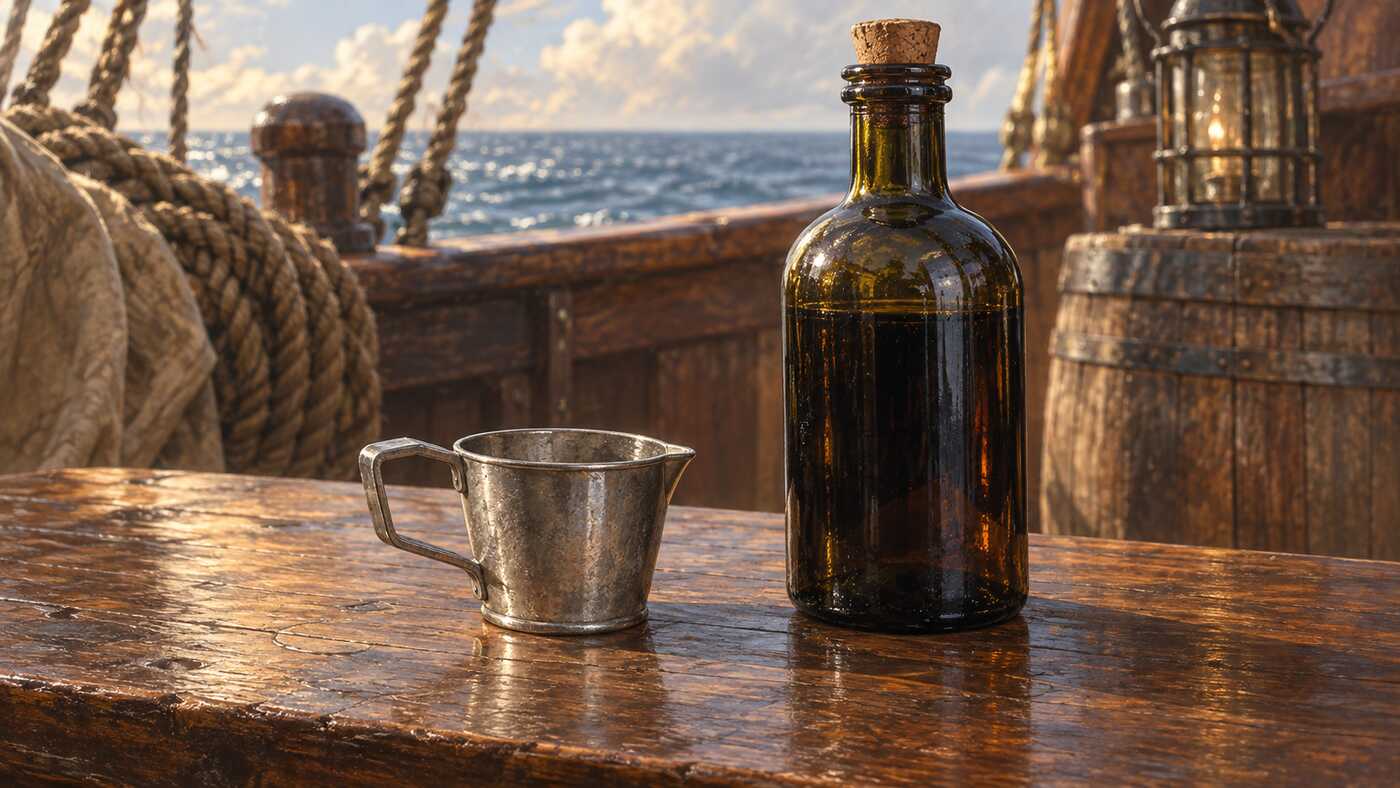
    A small pewter measuring cup beside a dark glass bottle on a ship's wooden table
    The daily tot was an eighth of a pint. Illustration.

    From sailors’ rum to the tiki bar

    A tiki bar is a bar decorated with an invented South Pacific style and built around rum cocktails. Wikipedia’s biography of Donn Beach says he opened Don’s Beachcomber at 1722 North McCadden Place in Hollywood in 1933, and calls it “the first prototypical tiki bar”. The Atlantic, which gives his birth name as Ernest Raymond Beaumont Gantt, says it opened in December 1933, days after Prohibition ended, and that his drinks combined several rums with citrus, sweeteners and spices drawn from Caribbean punch recipes.

    The Atlantic says Beach decorated the bar with “flotsam and jetsam” to evoke Polynesia, much of it from Hollywood film sets. Tiki bars peaked in the 1950s and 1960s, then “nearly disappeared” until the writer Jeff Berry decoded Beach’s recipes, which had been written “in code”, helping start today’s revival. The article also records Native Hawaiian criticism of tiki’s stereotypes.
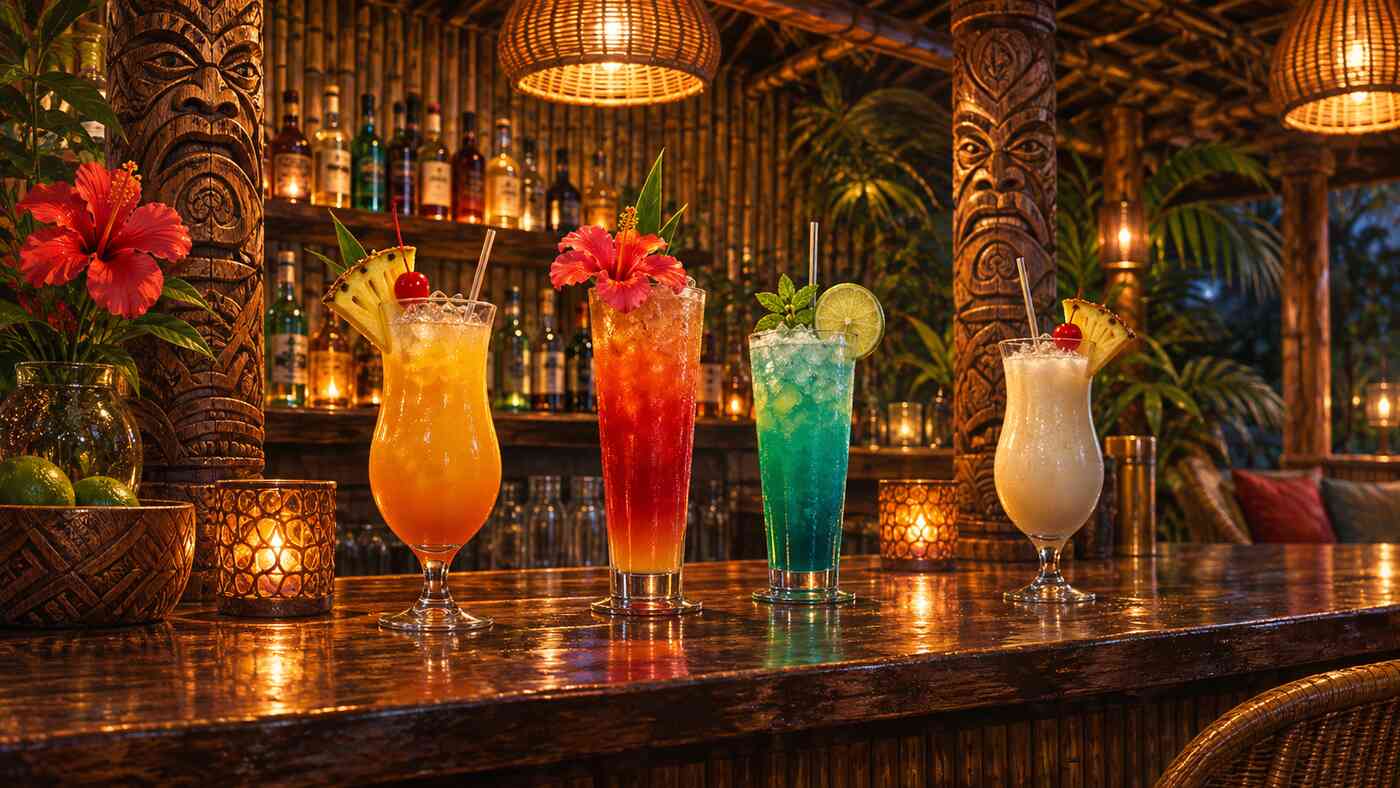
    A dim bar with bamboo walls, carved wooden posts and colourful drinks in tall glasses
    Tiki bars borrowed rum and island imagery from the 1930s onward. Illustration.

    The daiquiri and other rum classics

    The American Historical Association’s history of the daiquiri says the drink is commonly credited to Jennings Cox, an American mining engineer in Cuba around 1898, but stresses that its origins are muddled and tied to American power in the Caribbean. The same caution applies to many rum legends, which were repeated more often than they were checked.

    Bars inland kept the theme alive. RiNo Yacht Club named one drink the Age of Exploration and built its menu around drinking cultures from around the world, as told in our history of RiNo Yacht Club. Our guides to yacht club history and Denver cocktail bars cover the rest of the story.

    Thailand has its own craft rum, such as Chalong Bay in Phuket. For seaside nightlife on the mainland, Party Pattaya covers bars, clubs and parties in Pattaya.

    Key takeaways

    • Navy rum was the Royal Navy’s daily ration for sailors for more than 200 years.
    • Admiral Vernon ordered rum watered in 1740, and the mix took his nickname, grog.
    • The ration was cut to an eighth of a pint in 1850 and ended on Black Tot Day, 31 July 1970.
    • Donn Beach opened Don’s Beachcomber in Hollywood in 1933, the prototype of the tiki bar.
    • Many rum origin stories, including the daiquiri’s, are uncertain.

    Common questions

    Why is it called grog?

    Grog takes its name from Admiral Edward Vernon, nicknamed “Old Grog” for the grogram cloak he wore. In 1740 he ordered the crew’s rum ration to be mixed with water, and sailors named the watered drink after him, according to the US Naval Institute.

    What was Black Tot Day?

    Black Tot Day was 31 July 1970, the last day the Royal Navy issued its daily rum ration to sailors. The Navy Records Society says sailors were compensated and £2.7 million went into a Sailors’ Fund.

    How strong was navy rum?

    Wikipedia’s grog article gives the traditional navy strength as 54.6 percent alcohol by volume. At the end, ratings over 20 could draw an eighth of an imperial pint a day, and those below petty officer had it diluted with two parts water, according to the Navy Records Society.

    Who opened the first tiki bar?

    Donn Beach opened Don’s Beachcomber in Hollywood in 1933, which Wikipedia calls the first prototypical tiki bar. It mixed several rums with citrus and syrups, and The Atlantic says tiki bars peaked in the 1950s and 1960s before a modern revival.

    How we put this together: the origin of grog comes from the US Naval Institute; the ration’s end, compensation and dilution come from the Navy Records Society; the mix, regulations and strength come from Wikipedia’s grog and rum ration articles; tiki history comes from Wikipedia and The Atlantic; the daiquiri’s origin comes from the American Historical Association, which calls it muddled.

    Sources

  • Denver cocktail bars: a history from Prohibition to today

    Denver cocktail bars: a history from Prohibition to today

    In short: Denver cocktail bars have a history that starts with frontier saloons, stops hard when Colorado adopted Prohibition in 1916, and restarts after repeal with the Cruise Room at the Oxford Hotel. Craft bars such as Williams & Graham followed from 2011, Death & Co arrived in RiNo in 2018, and Yacht Club won a national Spirited Award in 2024.

    Denver is better known for beer than for cocktails, yet the city has more than a century of bar history and a recent run of national awards. This guide traces that history in order: the saloon town, the early dry years, the Art Deco bar that came out of repeal, the craft revival and the RiNo bars of today. It is part of The RiNo Logbook, and every fact is taken from the sources listed at the end.

    Denver’s saloon beginnings

    Drinking is older than the city’s streets. Visit Denver’s history of the city’s drinks scene says Denver’s first business was a saloon, which opened before a post office or bank. A saloon in the frontier sense was a bar serving beer and spirits to miners, traders and travellers, often with gambling. The Colorado Encyclopedia records that by the time Colorado voted to go dry, the Denver area had more than 1,600 saloons.

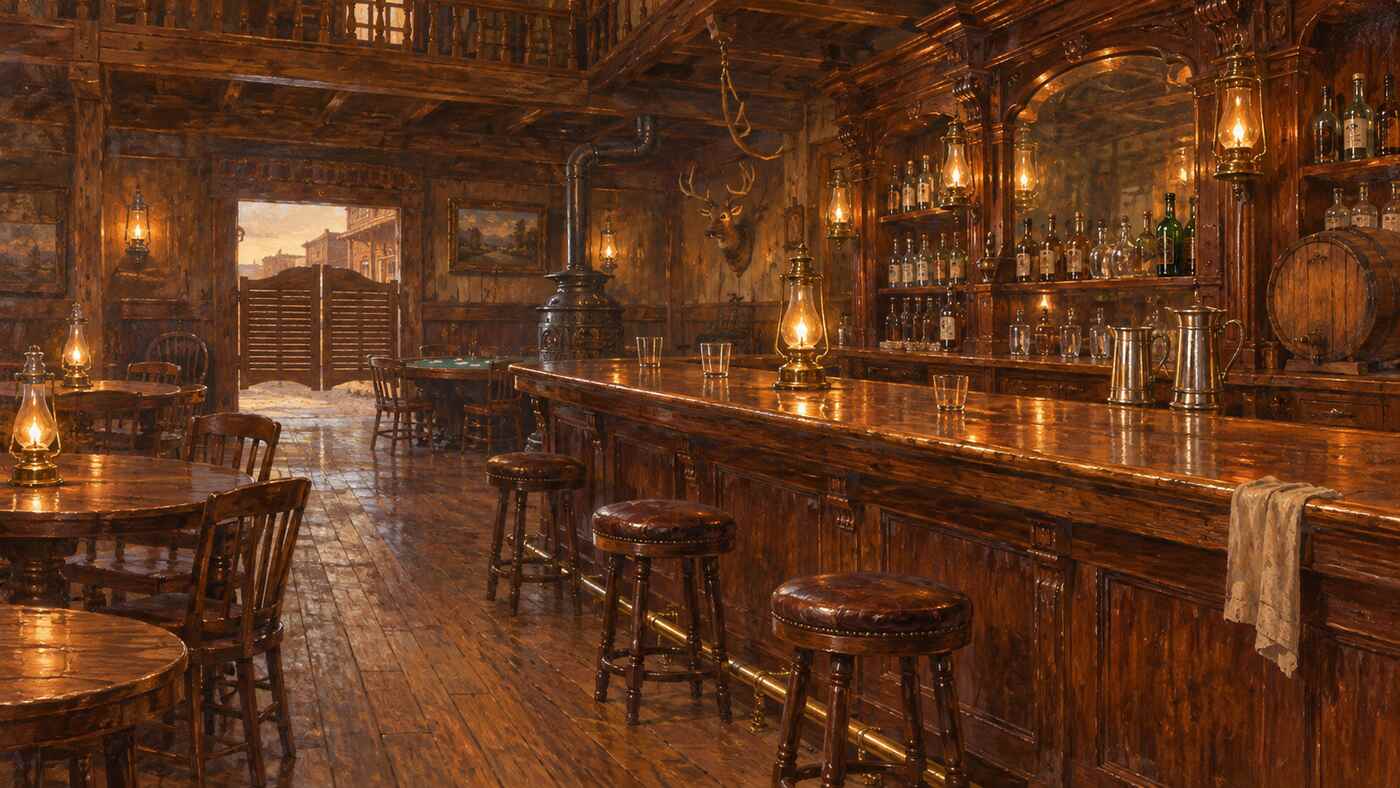
    A frontier-era saloon interior with a long wooden bar and brass rail lit by oil lamps
    Denver’s first business is said to have been a saloon. Illustration.

    When did Prohibition start in Colorado?

    Earlier than in most of the country. Prohibition was the legal ban on making and selling alcoholic drinks. The Colorado Encyclopedia reports that voters approved statewide prohibition in 1914 with about 52 percent of the vote, and it took effect on 1 January 1916, four years before national Prohibition began in 1920. History Colorado notes that 1,615 saloons and 17 breweries in the Denver area closed as a result.

    The dry years lasted 16 years in Colorado. The Colorado Encyclopedia says voters repealed state prohibition in 1932 with about 67 percent of the vote, and that 3.2 percent beer returned on 7 April 1933. National repeal followed in December 1933, as Westword’s history of the Cruise Room records.

    Prohibition in Colorado at a glance

    DateEvent
    1914Voters approve statewide prohibition, about 52 percent in favour
    1 January 1916Colorado goes dry; 1,615 Denver-area saloons close
    1932Voters repeal state prohibition, about 67 percent in favour
    7 April 19333.2 percent beer becomes legal again
    5 December 1933National Prohibition ends
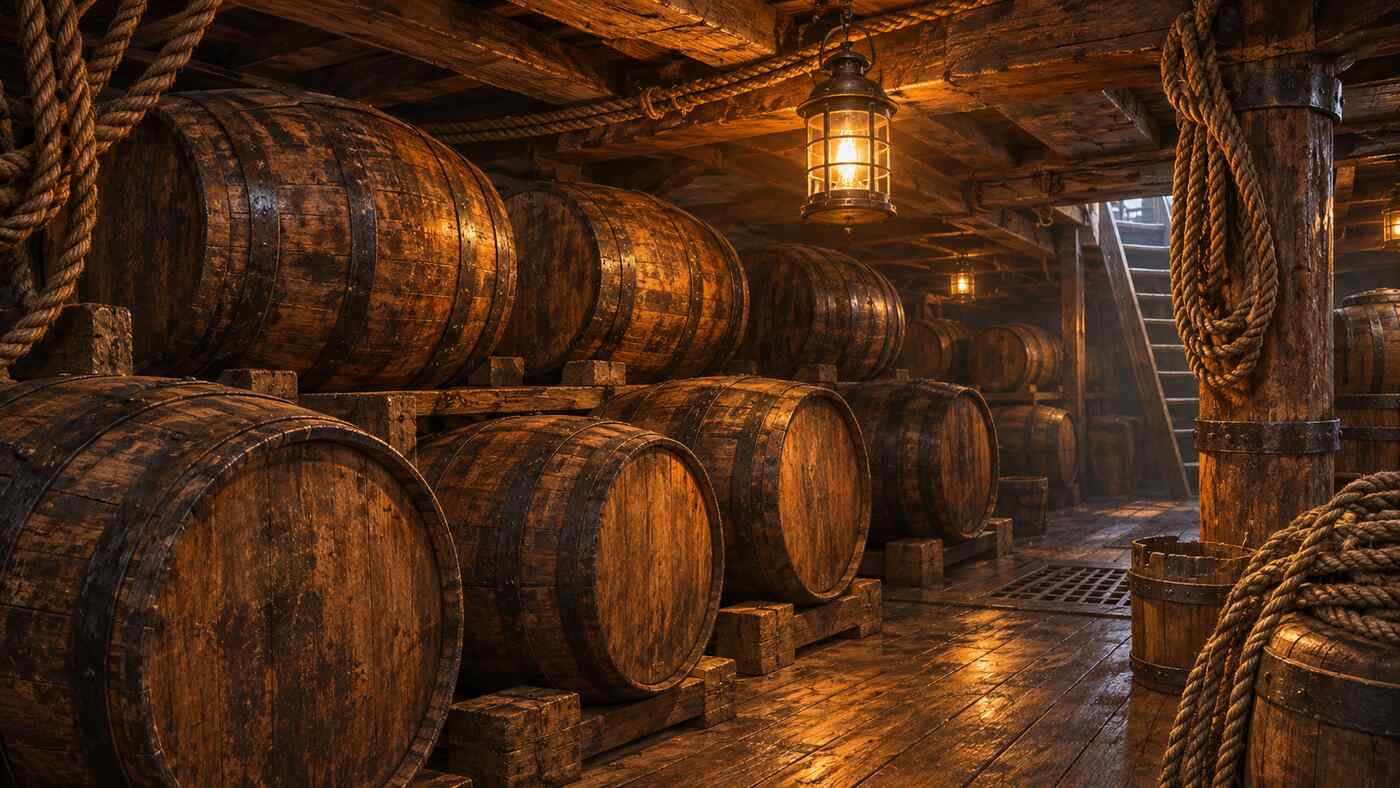
    Wooden barrels and broken bottles in a dim brick cellar with a single hanging lamp
    Colorado went dry four years before the rest of the country. Illustration.

    The Cruise Room and repeal

    The bar most tied to repeal sits inside the Oxford Hotel, which the Colorado Encyclopedia dates to 1891. The hotel says the Cruise Room opened the day after Prohibition ended in 1933, with a design inspired by a lounge on the ocean liner Queen Mary, and calls it Denver’s longest-running bar. Westword’s history gives the repeal date of 5 December 1933 and notes the bar’s listing with the Oxford on the National Register of Historic Places.

    Sources do not agree on the opening year. The Colorado Encyclopedia says the Cruise Room opened in 1935 and credits architect Charles Jaka with its Art Deco design and artist Alley Henson with bas-relief panels showing toasts from different countries. We give both dates; the hotel’s own account is 1933. The idea of drinks from around the world, shown in those panels, returned much later at RiNo Yacht Club.

    A narrow Art Deco bar with red lighting and curved chrome details along the walls
    The Cruise Room took its look from the ocean liner Queen Mary. Illustration.

    The craft beer years

    For much of the late 20th century, the city’s big drinks story was beer. Visit Denver calls the Wynkoop Brewing Company, where John Hickenlooper served the first pint in 1988 before becoming mayor and later governor, the first brewpub in historic downtown Denver since Prohibition. It counts nearly 70 breweries in Denver and almost 30 craft distilleries in the metro area. The local distilleries gave later cocktail bars Colorado-made spirits to work with.

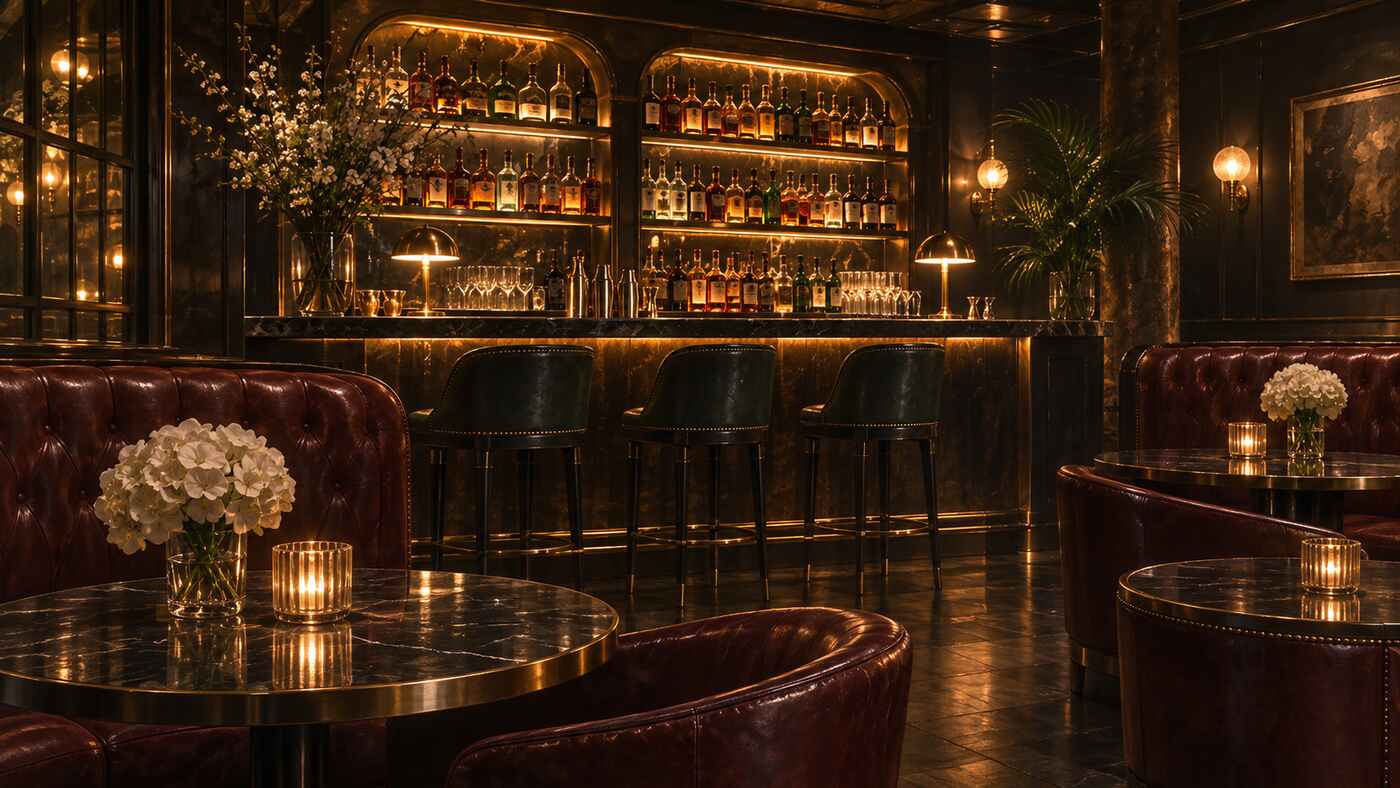
    A dark modern speakeasy-style bar with leather booths and backlit shelves of bottles
    Craft cocktail bars in the speakeasy style arrived in the 2010s. Illustration.

    The craft cocktail revival

    A craft cocktail bar is a bar built around carefully made drinks, fresh ingredients and trained bartenders, often with a nod to pre-Prohibition style. In Denver, the best-known early example is Williams & Graham, a speakeasy-style bar at 3160 Tejon Street; a 2026 Denver bar guide by First in Denver lists it as open since 2011.

    RiNo became a centre of the scene in the 2010s. RiNo Yacht Club opened inside The Source in 2014 with a menu built around drinking cultures from around the world, as told in our history of RiNo Yacht Club. Westword reported that Death & Co opened in May 2018 in the Ramble Hotel at 1280 25th Street, its first bar outside New York, with a team about 90 percent local.

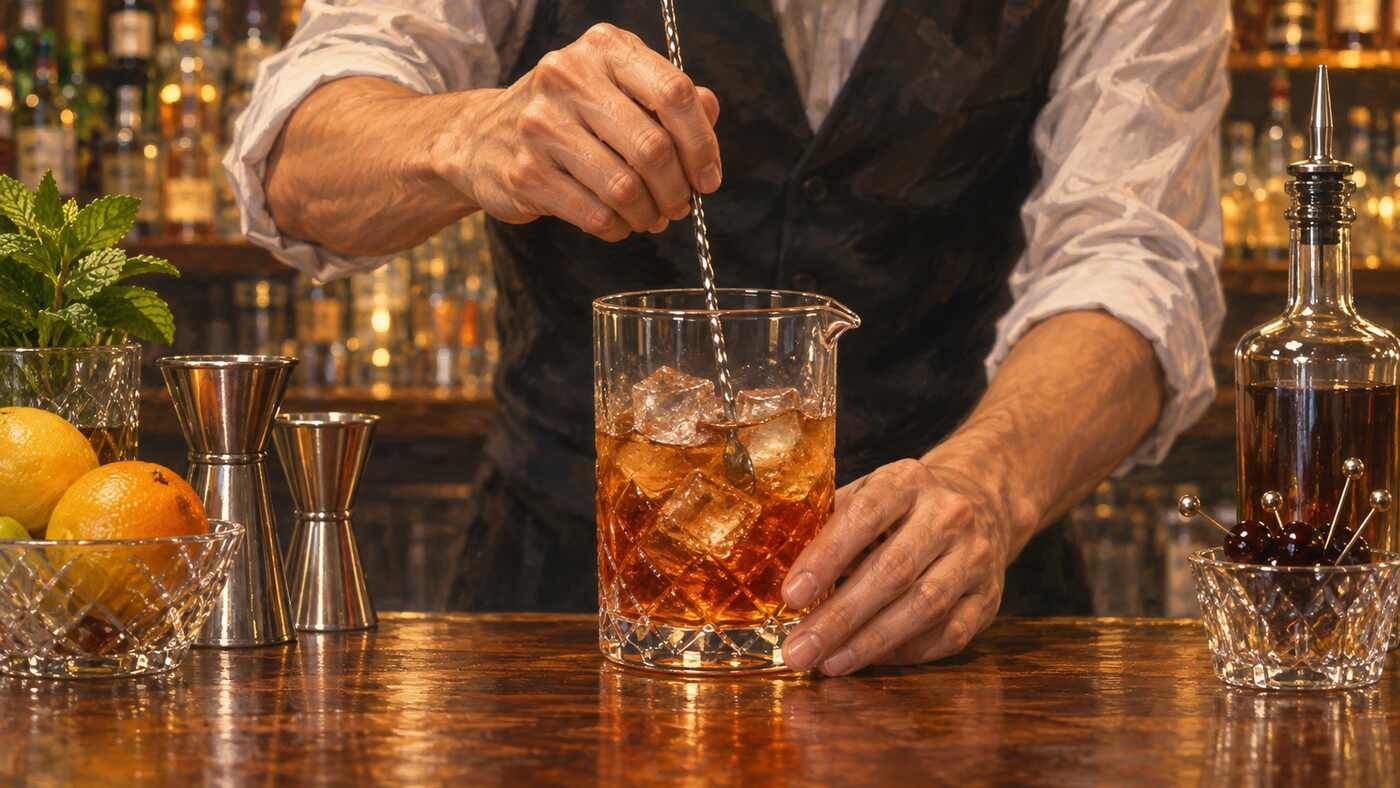
    Hands of a bartender stirring a cocktail in a mixing glass on a wooden bar top
    Denver bars began winning national awards in the 2020s. Illustration.

    Denver’s award-winning bars today

    The 2020s brought national recognition. The Denver Post reported that Yacht Club, the successor to RiNo Yacht Club in the Cole neighborhood, was named Best U.S. Cocktail Bar at the 2024 Spirited Awards. Westword reported its place on North America’s 50 Best Bars in 2023, and the 2025 list ranked it 41st. Denverite reported that Yacht Club’s McLain Hedges was a 2025 James Beard Award finalist for Outstanding Professional in Cocktail Service.

    The momentum continued into 2026, when The Denver Post reported that several new Denver bars had made the Spirited Awards semifinals. The thread from frontier saloon to award list runs through the same neighbourhoods; the RiNo Art District and The Source played a large part in the latest chapter.

    Key takeaways

    • Colorado adopted Prohibition on 1 January 1916, four years before the rest of the US.
    • The Cruise Room at the Oxford Hotel dates its opening to repeal in 1933, though one source says 1935.
    • The Wynkoop brewpub opened downtown in 1988 and helped make Denver a beer city.
    • Williams & Graham, RiNo Yacht Club and Death & Co shaped the craft cocktail era.
    • Yacht Club won Best U.S. Cocktail Bar at the 2024 Spirited Awards.

    Common questions

    What is the oldest bar in Denver?

    The Oxford Hotel calls its Cruise Room Denver’s longest-running bar, opened the day after Prohibition ended in 1933. The Colorado Encyclopedia gives 1935 instead. Older saloons existed, but Prohibition closed them all in 1916, so no pre-1916 bar has run continuously.

    When did Prohibition end in Colorado?

    Colorado voters repealed state prohibition in 1932, and 3.2 percent beer became legal on 7 April 1933, according to the Colorado Encyclopedia. National Prohibition ended on 5 December 1933, which is when full-strength drinks returned to bars such as the Cruise Room.

    What are the best-known Denver cocktail bars?

    Award lists most often name Yacht Club, which won Best U.S. Cocktail Bar in 2024 and ranks on North America’s 50 Best Bars. Death & Co at the Ramble Hotel, Williams & Graham and the historic Cruise Room also appear in Denver bar guides.

    Why did Denver become a cocktail city?

    The sources point to several factors: a strong local craft beer and distilling scene, new hotels and food halls in districts such as RiNo, and bartenders who stayed and built their own bars. National awards in the 2020s brought the scene wider attention.

    How we put this together: Prohibition dates and figures come from the Colorado Encyclopedia and History Colorado; the Cruise Room details come from the Oxford Hotel, the Colorado Encyclopedia and Westword, and we name their disagreement on the opening year; brewery and distillery counts come from Visit Denver; recent awards come from The Denver Post, Westword, Denverite and the 50 Best list.

    Sources