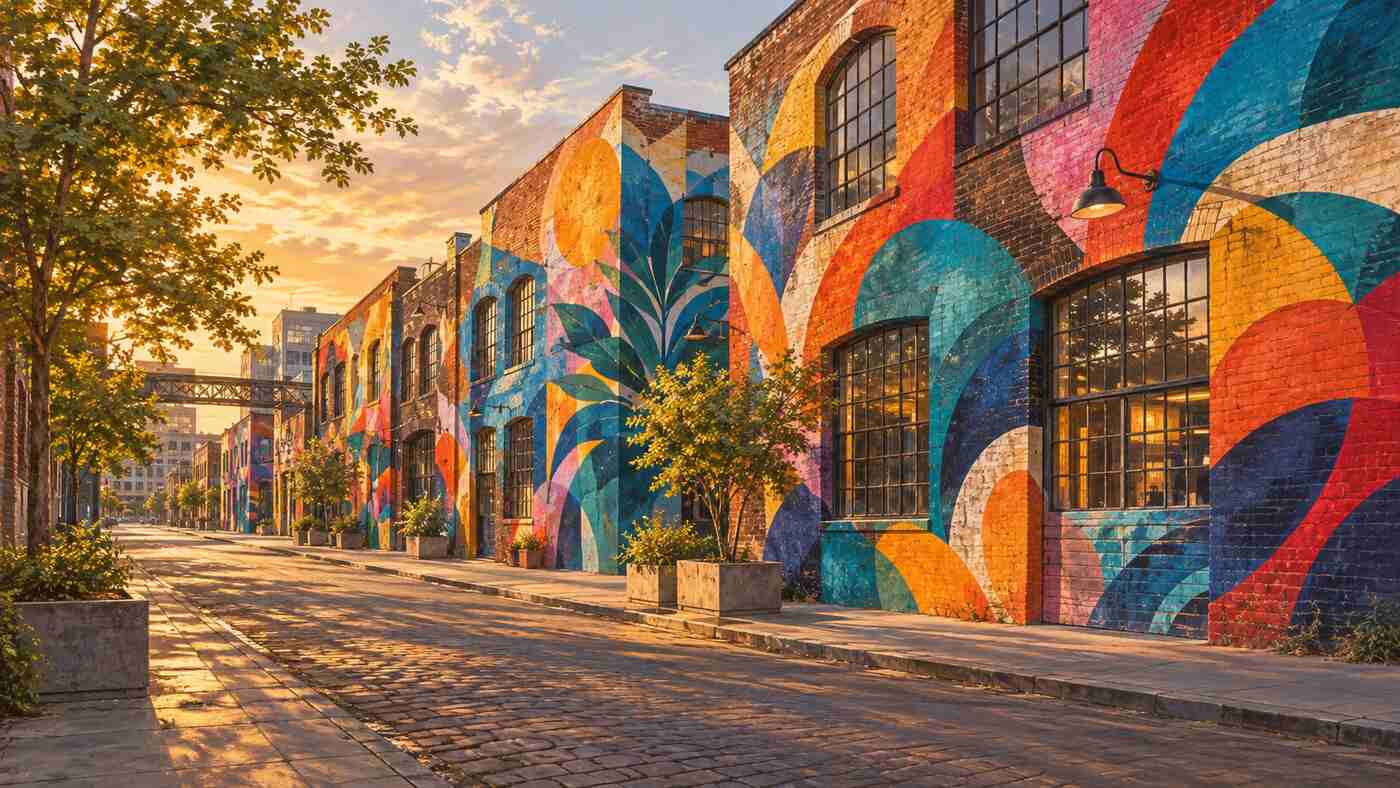
In short: The RiNo Art District is a creative district in River North, Denver, north of downtown along the South Platte River. Artists Tracy Weil and Jill Hadley-Hooper founded it in 2005 in an area of rail yards and warehouses. It became a certified Colorado Creative District, gained public funding districts in 2015, and grew into a hub of murals, breweries, The Source and new hotels.
RiNo is now one of the best-known neighbourhood names in Denver, used for bars, apartments and even a yacht club with no boats. It began as a small group of artists naming the industrial land where they worked. This guide covers the place before the name, the founding, the murals, the money and the arguments about who benefits, using the sources listed at the end. It belongs to The RiNo Logbook, an independent guide to the district’s bar history.
What is the RiNo Art District?
The RiNo Art District is, in its own words, a 501(c)(3) nonprofit arts organisation that supports artists and creative businesses and works to keep the area’s creative identity. It says it is a certified Colorado Creative District that covers five neighbourhoods. A creative district is a state-recognised area with a concentration of arts and cultural activity. A business improvement district (BID) is a zone where property owners pay an extra assessment to fund local services and projects; a general improvement district (GID) does the same for public infrastructure.
“RiNo” is short for River North, the planning name for the land between the South Platte River and the rail lines north of downtown. The Denver Public Library’s history gallery notes that the district’s boundaries roughly follow Brighton Boulevard, Walnut Street and Larimer Street.
River North before the artists
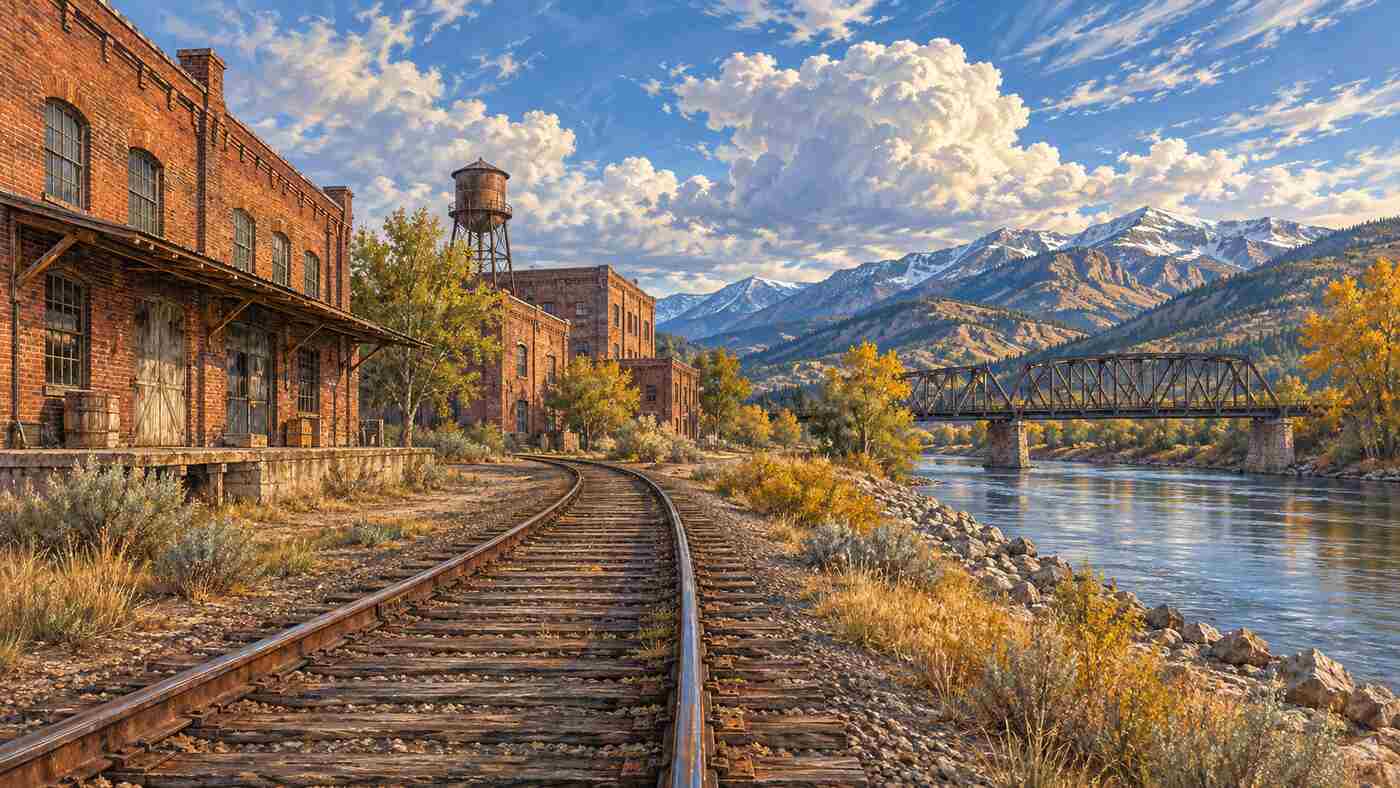
The City of Denver’s River North Plan of 2003 gives the backstory. It describes how the South Platte River and its floods, and later the railroads, set the area apart. Rail yards separated it from downtown, and industrial uses such as foundries, warehouses and food processors took the land near the tracks. The plan notes that the river channel was moved in 1895 and that Brighton Boulevard was named Wewatta Street until after 1924.
By the 1990s and early 2000s, much of the industry had moved or shrunk, leaving large brick buildings with low rents. The Bend case study on RiNo records that the 1880s Colorado Iron Works foundry, later home to The Source, stood vacant before 2012. The 2003 River North Plan set out ideas for mixed use, a riverfront and better streets, and the artists’ district followed two years later.
The founding in 2005
The Denver Public Library records that the River North Art District was founded in 2005 by artists Tracy Weil and Jill Hadley-Hooper to promote the area’s art and artists. The RiNo Art District’s own history says it was founded that year by local artists to support and promote the creative community.
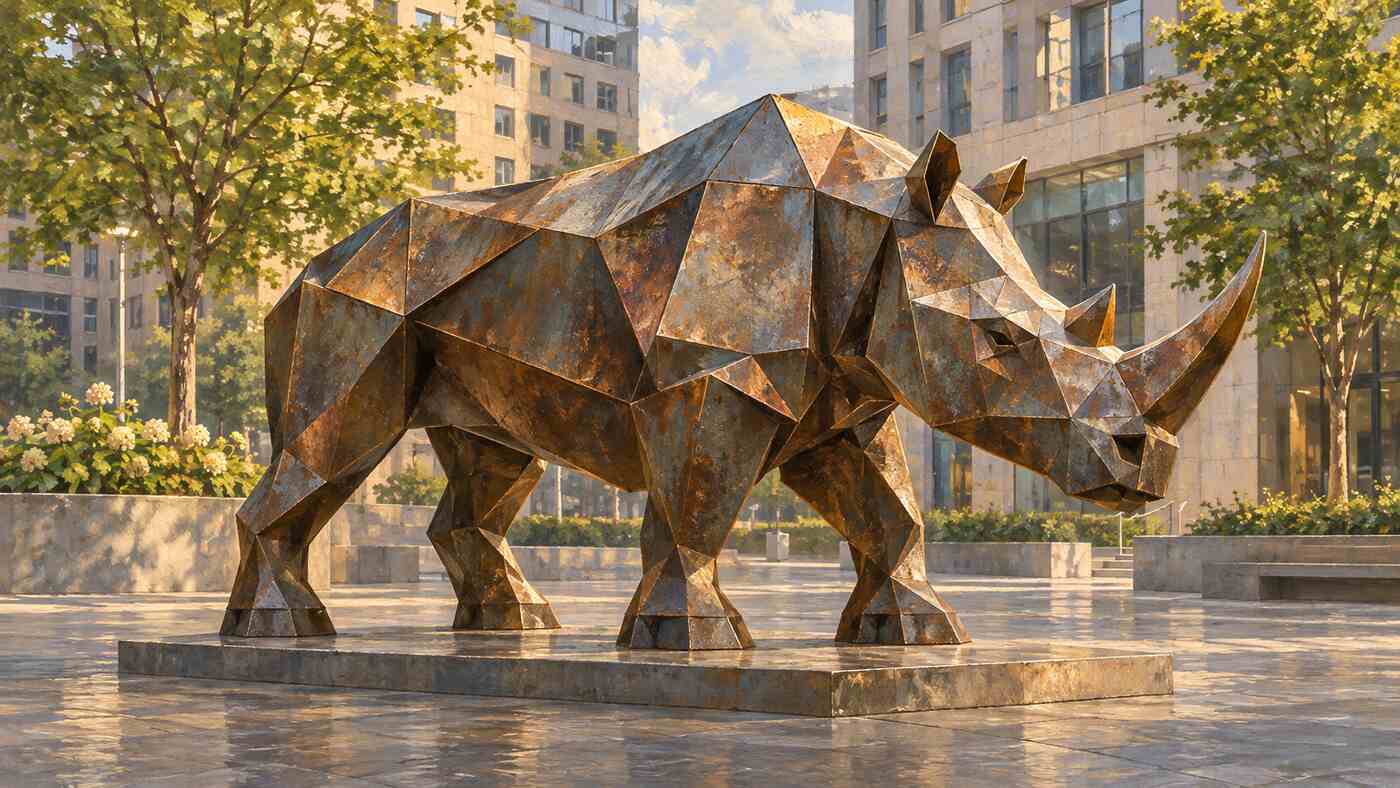
It started small. Denverite reported in 2019 that the first group had eight members and grew to 225 by 2015. Weil designed the rhinoceros logo, and the district used the slogan “Where art is made”. In The Denver Post’s 2014 report on The Source’s first anniversary, Weil, then the district’s president, called the market hall “a huge hub for the district”.
RiNo milestones
| Year | Milestone |
|---|---|
| 2003 | City adopts the River North Plan |
| 2005 | Artists found the River North Art District |
| 2013 | The Source market hall opens in the old foundry |
| 2015 | Business and general improvement districts formed; membership reaches 225 |
| 2018 | The Source Hotel and Death & Co at the Ramble Hotel open |
Murals, CRUSH and the outdoor gallery
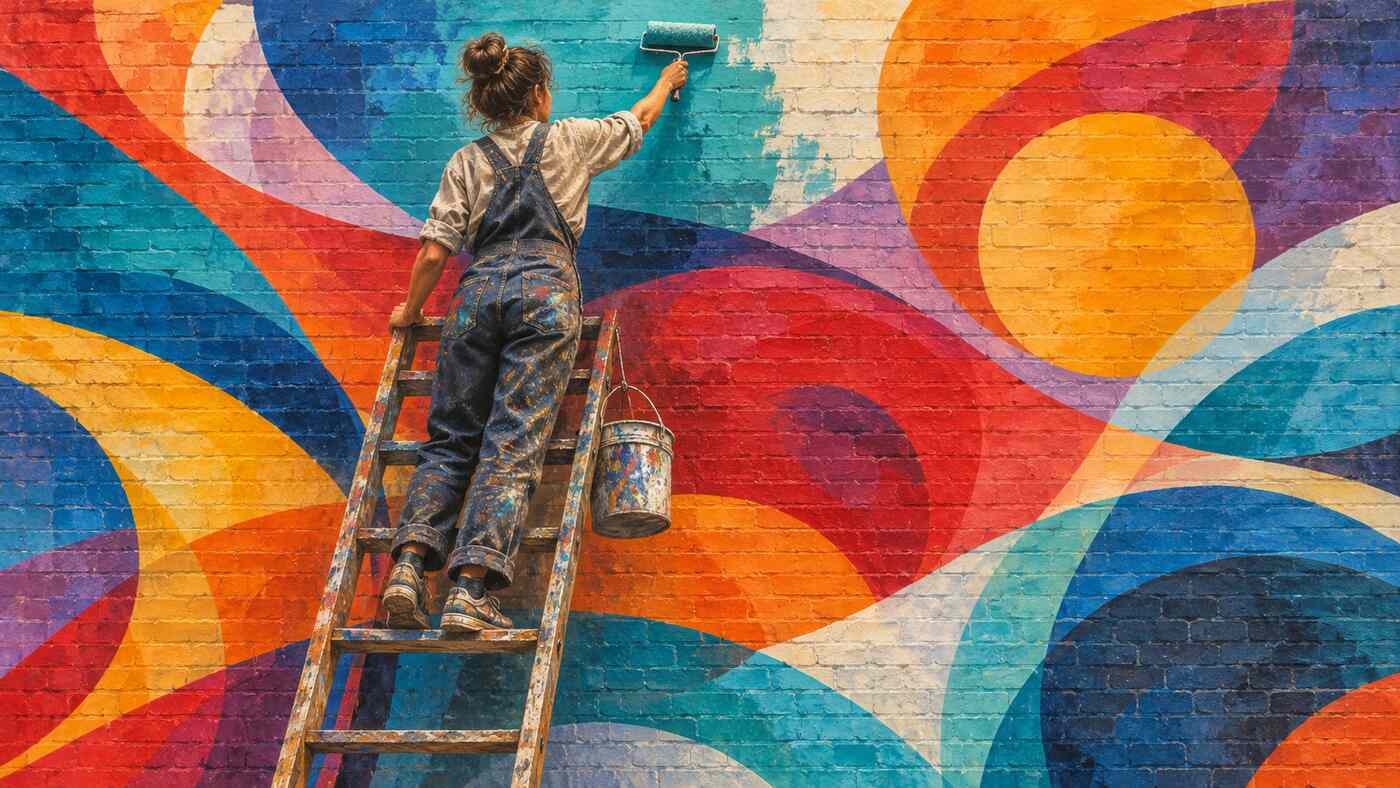
Walking RiNo today means walking past painted walls. Denverite names the CRUSH Walls mural festival among the events that put painted warehouse walls at the centre of the district’s identity. GQ’s 2018 guide to the neighbourhood said RiNo had seen “many of Denver’s biggest (and most-hyped) restaurant and bar openings” and listed breweries from Ratio to Crooked Stave.
The art and the hospitality grew together. Breweries, distilleries and food halls moved into the old buildings, and Visit Denver’s guide to the city’s craft drinks scene counts nearly 70 breweries in Denver and almost 30 craft distilleries in the metro area. RiNo Yacht Club, which opened inside The Source in 2014, borrowed the district’s name and its relaxed, mixed crowd; its story is in our history of RiNo Yacht Club.

Money, Brighton Boulevard and change
The district’s growth came with large public and private spending. The RiNo Art District says its BID and GID were founded in 2015 to fund improvements and services. Denverite reported that about $41 million went into rebuilding Brighton Boulevard and cited an estimate of about $850 million in private investment in the area.
The same Denverite article set those figures against the artists who started the district. It reported a survey count of about 475 artists in 190 studios and described galleries such as Helikon closing as property taxes and rents rose. Its headline put the tension plainly: artists built RiNo, and some were “eaten by their creation”. The source material does not settle that argument, and we do not try to; it is part of the district’s history as much as the murals are.
RiNo’s bars and hotels today
By the late 2010s, RiNo held some of Denver’s most talked-about bars. Westword reported in 2018 that Death & Co opened its first location outside New York in the Ramble Hotel at 1280 25th Street. The Source added its own hotel in 2018. Our history of Denver cocktail bars puts those openings in the longer story that began with Prohibition.
Key takeaways
- RiNo stands for River North, an old rail and industrial area beside the South Platte River.
- Artists Tracy Weil and Jill Hadley-Hooper founded the River North Art District in 2005.
- The group grew from eight members to 225 by 2015, when its BID and GID were formed.
- Murals, breweries, The Source and new hotels turned RiNo into a destination.
- Rising rents and taxes have pushed some artists and galleries out, as Denverite reported.
Common questions
What does RiNo stand for?
RiNo stands for River North, the area north of downtown Denver along the South Platte River and the rail lines. The artists who founded the district in 2005 used the name River North Art District, shortened to RiNo, and adopted a rhinoceros as the logo.
Who founded the RiNo Art District?
The Denver Public Library credits artists Tracy Weil and Jill Hadley-Hooper with founding the River North Art District in 2005. Weil designed the rhino logo and later served as the district’s president, according to Denverite and The Denver Post.
Is RiNo Denver a neighbourhood?
Not officially a single one. The RiNo Art District says it covers parts of five neighbourhoods. It is a certified Colorado Creative District with its own nonprofit and improvement districts, rather than one of Denver’s statistical neighbourhoods.
What is RiNo known for?
Murals and street art, artist studios, breweries and bars, The Source market hall and new hotels. Denverite describes its shift from industrial land to an arts district, and GQ’s 2018 guide focused on its restaurants and breweries.
How we put this together: the founding comes from the Denver Public Library and the RiNo Art District; the area’s earlier history comes from Denver’s River North Plan; membership, investment and artist figures come from Denverite’s 2019 report; the bar and hotel openings come from Westword and The Denver Post. Where sources give estimates, we say so.
Sources
- RiNo Art District: About
- Denver Public Library: River North Art District gallery
- Denverite: Artists built RiNo, and some were eaten by their creation, 2019
- City and County of Denver: River North Plan, 2003
- City of Bend: Where Art Is Made, RiNo case study, 2026
- GQ: A guide to RiNo, Denver
- The Denver Post: The Source celebrates one year in RiNo, 2014
- Westword: Death & Co opens inside the Ramble Hotel, 2018
- Visit Denver: Denver’s craft beverage boom