Category: Neighborhood history

  • RiNo Art District history: how River North became RiNo

    RiNo Art District history: how River North became RiNo

    In short: The RiNo Art District is a creative district in River North, Denver, north of downtown along the South Platte River. Artists Tracy Weil and Jill Hadley-Hooper founded it in 2005 in an area of rail yards and warehouses. It became a certified Colorado Creative District, gained public funding districts in 2015, and grew into a hub of murals, breweries, The Source and new hotels.

    RiNo is now one of the best-known neighbourhood names in Denver, used for bars, apartments and even a yacht club with no boats. It began as a small group of artists naming the industrial land where they worked. This guide covers the place before the name, the founding, the murals, the money and the arguments about who benefits, using the sources listed at the end. It belongs to The RiNo Logbook, an independent guide to the district’s bar history.

    What is the RiNo Art District?

    The RiNo Art District is, in its own words, a 501(c)(3) nonprofit arts organisation that supports artists and creative businesses and works to keep the area’s creative identity. It says it is a certified Colorado Creative District that covers five neighbourhoods. A creative district is a state-recognised area with a concentration of arts and cultural activity. A business improvement district (BID) is a zone where property owners pay an extra assessment to fund local services and projects; a general improvement district (GID) does the same for public infrastructure.

    “RiNo” is short for River North, the planning name for the land between the South Platte River and the rail lines north of downtown. The Denver Public Library’s history gallery notes that the district’s boundaries roughly follow Brighton Boulevard, Walnut Street and Larimer Street.
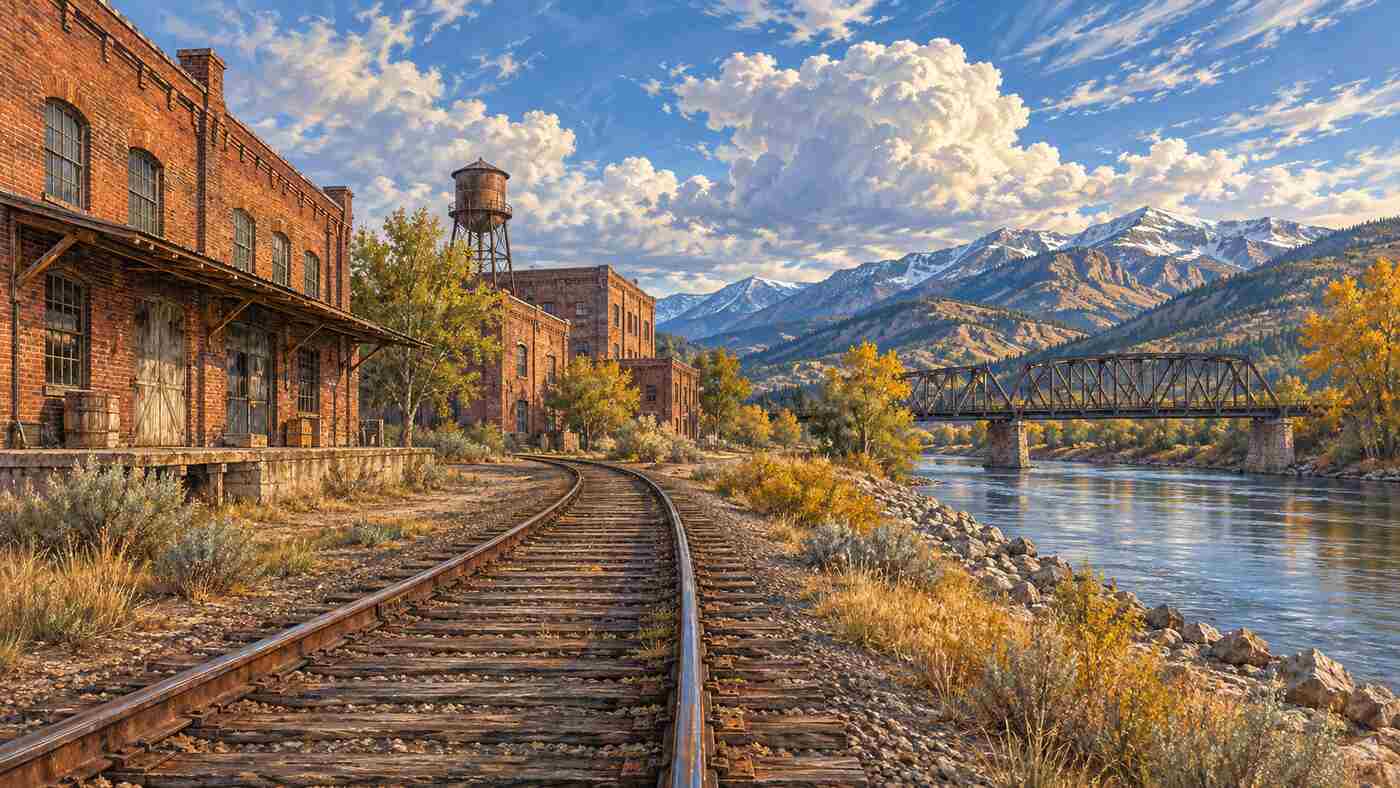
    Old railroad tracks and brick warehouses beside a river under a wide Colorado sky
    Rail yards and the South Platte River shaped River North for a century. Illustration.

    River North before the artists

    The City of Denver’s River North Plan of 2003 gives the backstory. It describes how the South Platte River and its floods, and later the railroads, set the area apart. Rail yards separated it from downtown, and industrial uses such as foundries, warehouses and food processors took the land near the tracks. The plan notes that the river channel was moved in 1895 and that Brighton Boulevard was named Wewatta Street until after 1924.

    By the 1990s and early 2000s, much of the industry had moved or shrunk, leaving large brick buildings with low rents. The Bend case study on RiNo records that the 1880s Colorado Iron Works foundry, later home to The Source, stood vacant before 2012. The 2003 River North Plan set out ideas for mixed use, a riverfront and better streets, and the artists’ district followed two years later.
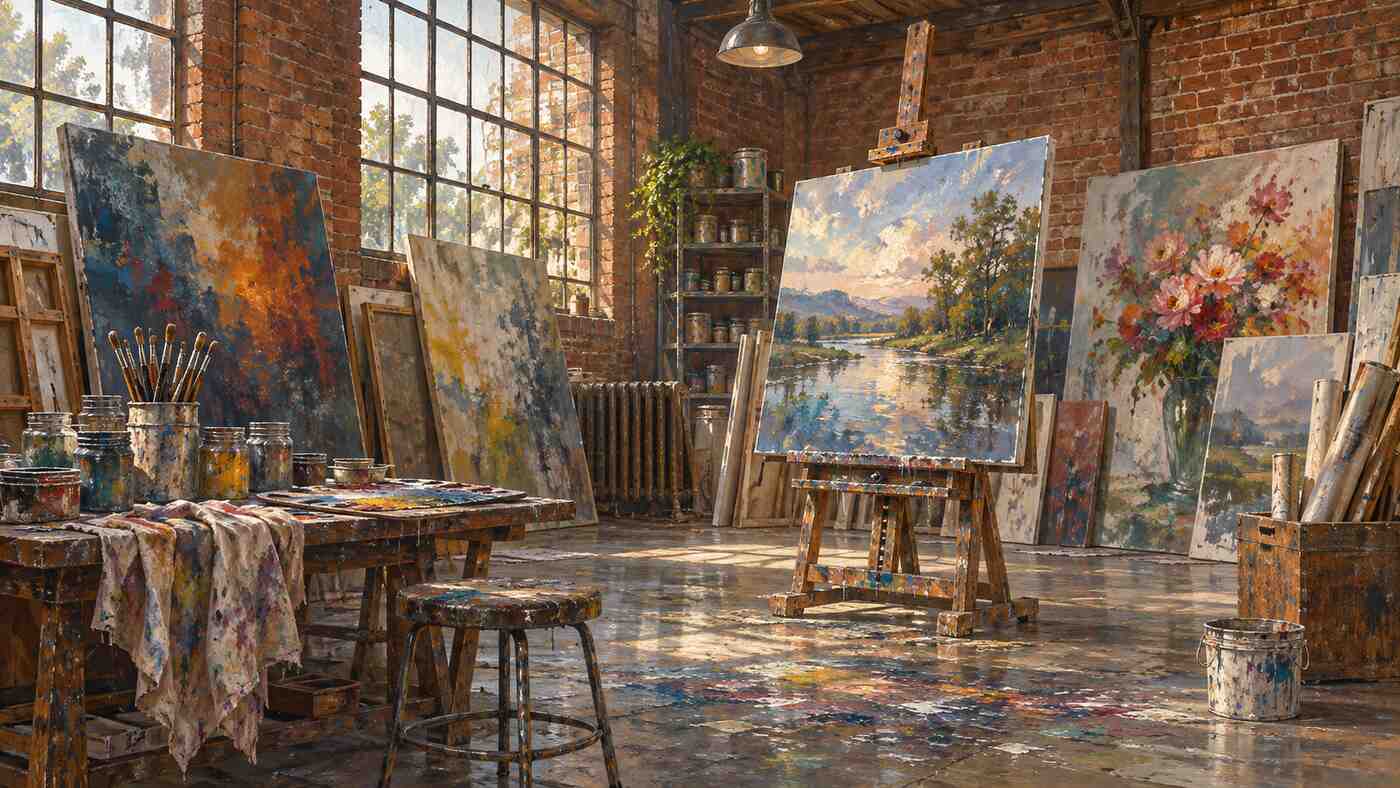
    An artist's studio in a brick warehouse with canvases leaning on the walls and paint on the floor
    Artists moved into cheap warehouse studios in the early 2000s. Illustration.

    The founding in 2005

    The Denver Public Library records that the River North Art District was founded in 2005 by artists Tracy Weil and Jill Hadley-Hooper to promote the area’s art and artists. The RiNo Art District’s own history says it was founded that year by local artists to support and promote the creative community.

    It started small. Denverite reported in 2019 that the first group had eight members and grew to 225 by 2015. Weil designed the rhinoceros logo, and the district used the slogan “Where art is made”. In The Denver Post’s 2014 report on The Source’s first anniversary, Weil, then the district’s president, called the market hall “a huge hub for the district”.

    RiNo milestones

    YearMilestone
    2003City adopts the River North Plan
    2005Artists found the River North Art District
    2013The Source market hall opens in the old foundry
    2015Business and general improvement districts formed; membership reaches 225
    2018The Source Hotel and Death & Co at the Ramble Hotel open
    A painter on a ladder working on a large colourful abstract mural on a brick wall
    Mural festivals turned warehouse walls into an outdoor gallery. Illustration.

    Murals, CRUSH and the outdoor gallery

    Walking RiNo today means walking past painted walls. Denverite names the CRUSH Walls mural festival among the events that put painted warehouse walls at the centre of the district’s identity. GQ’s 2018 guide to the neighbourhood said RiNo had seen “many of Denver’s biggest (and most-hyped) restaurant and bar openings” and listed breweries from Ratio to Crooked Stave.

    The art and the hospitality grew together. Breweries, distilleries and food halls moved into the old buildings, and Visit Denver’s guide to the city’s craft drinks scene counts nearly 70 breweries in Denver and almost 30 craft distilleries in the metro area. RiNo Yacht Club, which opened inside The Source in 2014, borrowed the district’s name and its relaxed, mixed crowd; its story is in our history of RiNo Yacht Club.
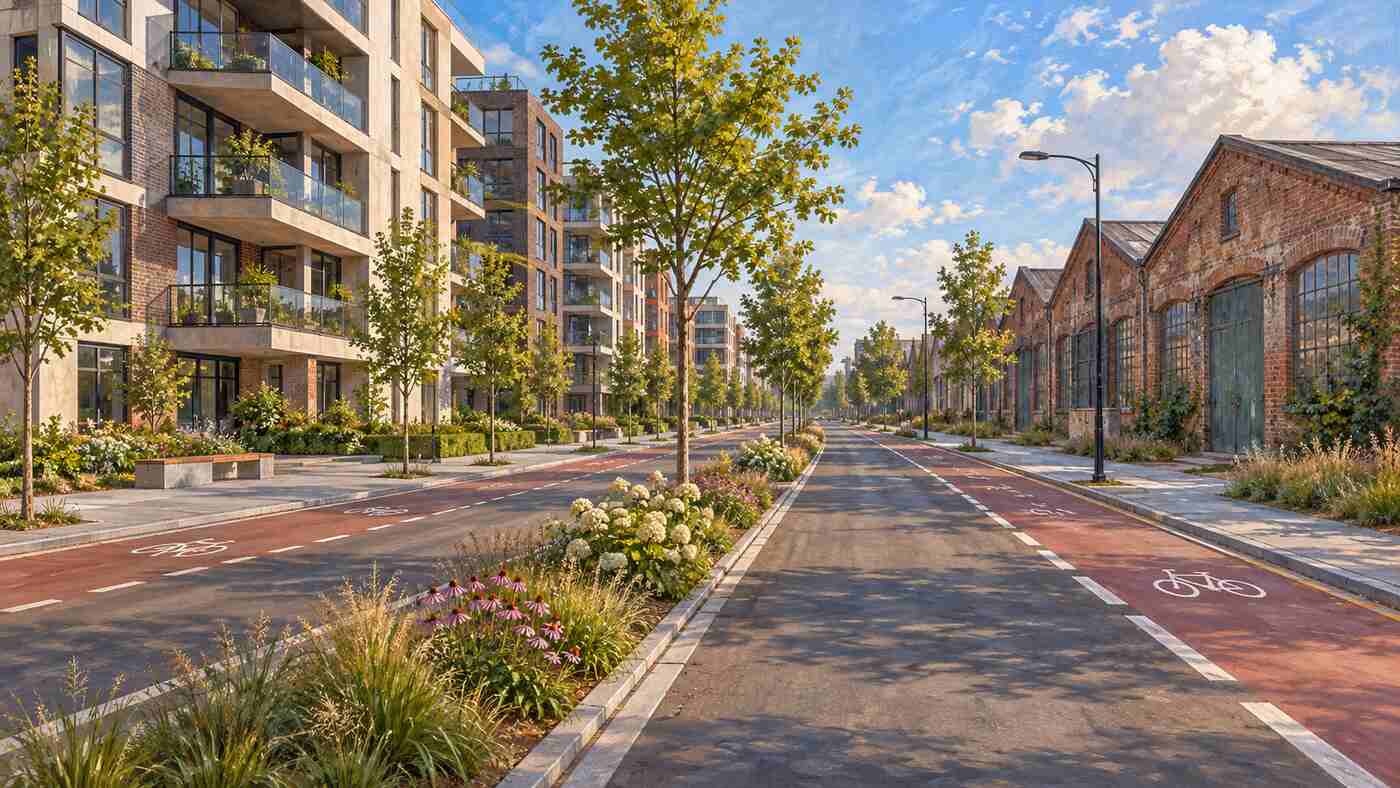
    A wide rebuilt boulevard with bike lanes and new apartment buildings beside old industrial sheds
    Brighton Boulevard was rebuilt as the district grew. Illustration.

    Money, Brighton Boulevard and change

    The district’s growth came with large public and private spending. The RiNo Art District says its BID and GID were founded in 2015 to fund improvements and services. Denverite reported that about $41 million went into rebuilding Brighton Boulevard and cited an estimate of about $850 million in private investment in the area.

    The same Denverite article set those figures against the artists who started the district. It reported a survey count of about 475 artists in 190 studios and described galleries such as Helikon closing as property taxes and rents rose. Its headline put the tension plainly: artists built RiNo, and some were “eaten by their creation”. The source material does not settle that argument, and we do not try to; it is part of the district’s history as much as the murals are.
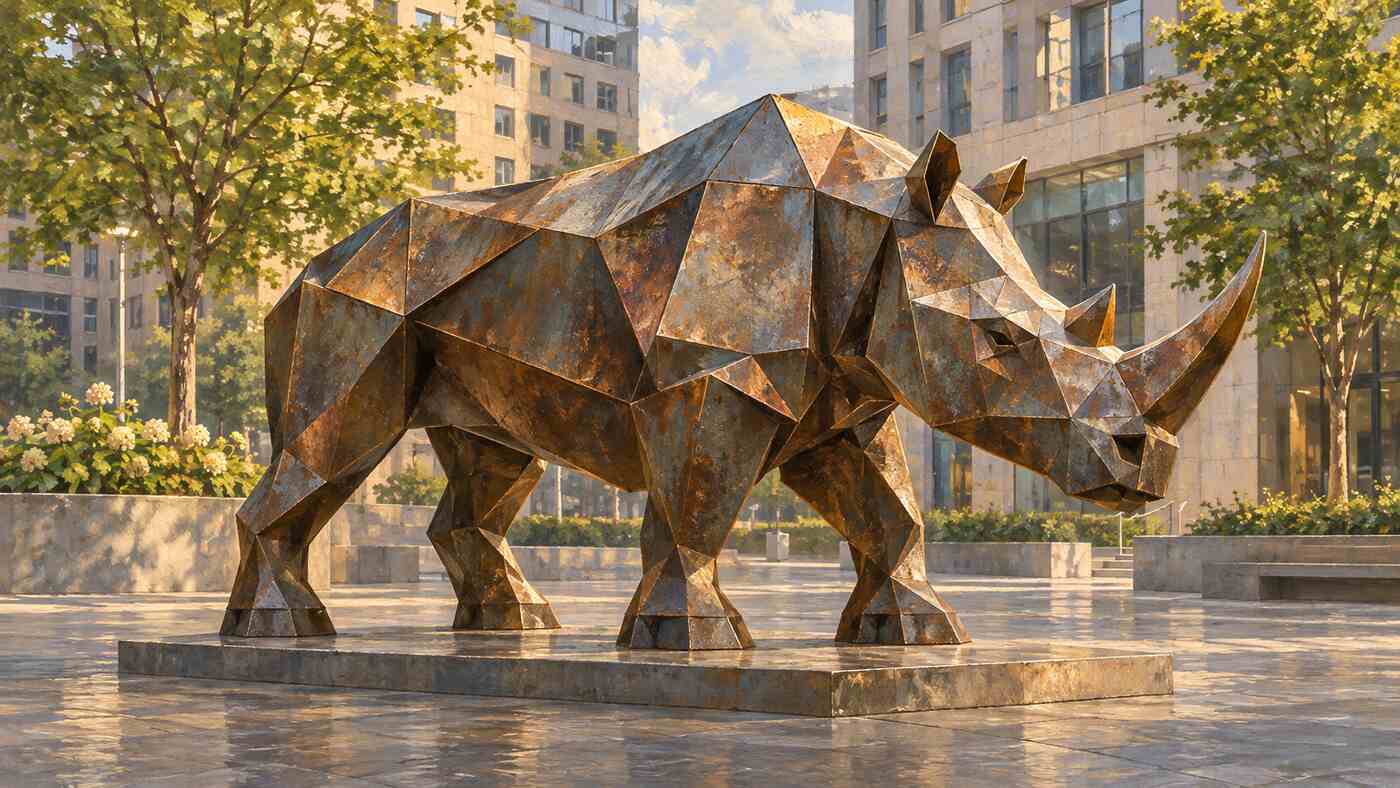
    An abstract metal sculpture of a rhinoceros standing in a small urban plaza
    The rhino became the district’s symbol. Illustration.

    RiNo’s bars and hotels today

    By the late 2010s, RiNo held some of Denver’s most talked-about bars. Westword reported in 2018 that Death & Co opened its first location outside New York in the Ramble Hotel at 1280 25th Street. The Source added its own hotel in 2018. Our history of Denver cocktail bars puts those openings in the longer story that began with Prohibition.

    Key takeaways

    • RiNo stands for River North, an old rail and industrial area beside the South Platte River.
    • Artists Tracy Weil and Jill Hadley-Hooper founded the River North Art District in 2005.
    • The group grew from eight members to 225 by 2015, when its BID and GID were formed.
    • Murals, breweries, The Source and new hotels turned RiNo into a destination.
    • Rising rents and taxes have pushed some artists and galleries out, as Denverite reported.

    Common questions

    What does RiNo stand for?

    RiNo stands for River North, the area north of downtown Denver along the South Platte River and the rail lines. The artists who founded the district in 2005 used the name River North Art District, shortened to RiNo, and adopted a rhinoceros as the logo.

    Who founded the RiNo Art District?

    The Denver Public Library credits artists Tracy Weil and Jill Hadley-Hooper with founding the River North Art District in 2005. Weil designed the rhino logo and later served as the district’s president, according to Denverite and The Denver Post.

    Is RiNo Denver a neighbourhood?

    Not officially a single one. The RiNo Art District says it covers parts of five neighbourhoods. It is a certified Colorado Creative District with its own nonprofit and improvement districts, rather than one of Denver’s statistical neighbourhoods.

    What is RiNo known for?

    Murals and street art, artist studios, breweries and bars, The Source market hall and new hotels. Denverite describes its shift from industrial land to an arts district, and GQ’s 2018 guide focused on its restaurants and breweries.

    How we put this together: the founding comes from the Denver Public Library and the RiNo Art District; the area’s earlier history comes from Denver’s River North Plan; membership, investment and artist figures come from Denverite’s 2019 report; the bar and hotel openings come from Westword and The Denver Post. Where sources give estimates, we say so.

    Sources

  • The Source Denver: from 1880s iron foundry to market hall

    The Source Denver: from 1880s iron foundry to market hall

    In short: The Source Denver is a market hall at 3350 Brighton Boulevard in the River North (RiNo) district. Zeppelin Development converted the vacant 1880s Colorado Iron Works foundry into Denver’s first modern artisan market hall, which opened in 2013. A 100-room hotel and second market hall followed in 2018. For more than four years its central bar was RiNo Yacht Club.

    Market halls are now common in American cities, but in 2013 Denver did not have a modern one. The Source changed that, and it did it inside a building that had made iron for more than a century of other uses. This guide covers the foundry, the conversion, the first tenants and the hotel, with every fact taken from the sources listed at the end. It is part of The RiNo Logbook‘s series on the neighbourhood and its bars.

    What is The Source Denver?

    The Source is a collection of food and drink businesses, shops and a hotel built around an old foundry on Brighton Boulevard. Zeppelin Development, the company behind it, describes it as “Denver’s first modern market hall” and a “driving force in putting the River North neighborhood on the international map”. The original hall sits at 3350 Brighton Blvd; the hotel and second market hall use the address 3330 Brighton Blvd.

    A few terms are worth defining. An artisan market hall is a building in which independent food producers, such as bakers, butchers and brewers, each run a small stall under one roof. Adaptive reuse means converting an old building to a new purpose while keeping its structure. Tax-increment financing (TIF) is a public-funding tool in which future increases in property and sales tax from a project repay part of its cost. All three explain how The Source came about.

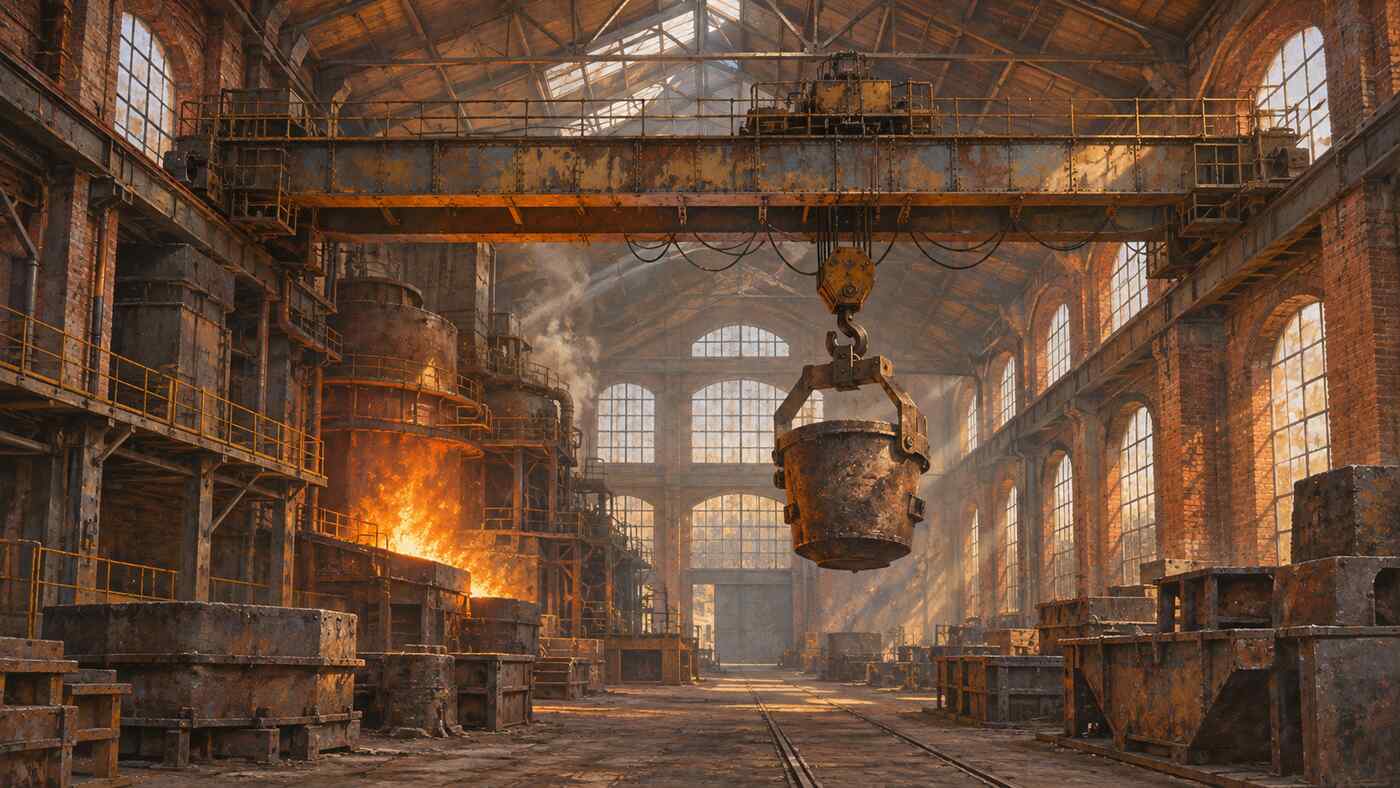
    The interior of a tall brick foundry hall with an old steel crane under a peaked roof
    The old foundry crane was kept when the building became a market. Illustration.

    The Colorado Iron Works foundry

    The building is older than almost anything around it. A 2026 planning study for the City of Bend, Oregon, which uses RiNo as a case study, records that the Colorado Iron Works brick foundry was built on Brighton Boulevard in the 1880s. It was later home to Hugh M. Woods Mercantile, Nichols Wire Sheet and Hardware, Oliver Farm Equipment Sales and, finally, Bud’s Warehouse, before it stood empty.

    The setting explains why. The City of Denver’s River North Plan of 2003 describes how the South Platte River and the railroad yards shaped the area, cutting it off from downtown until the Broadway viaduct was built over the yards. The plan says Brighton Boulevard was once Wewatta Street and took its current name after 1924. Industrial users such as foundries, warehouses and food processors filled the corridor. Our history of the RiNo Art District follows the rest of that story.

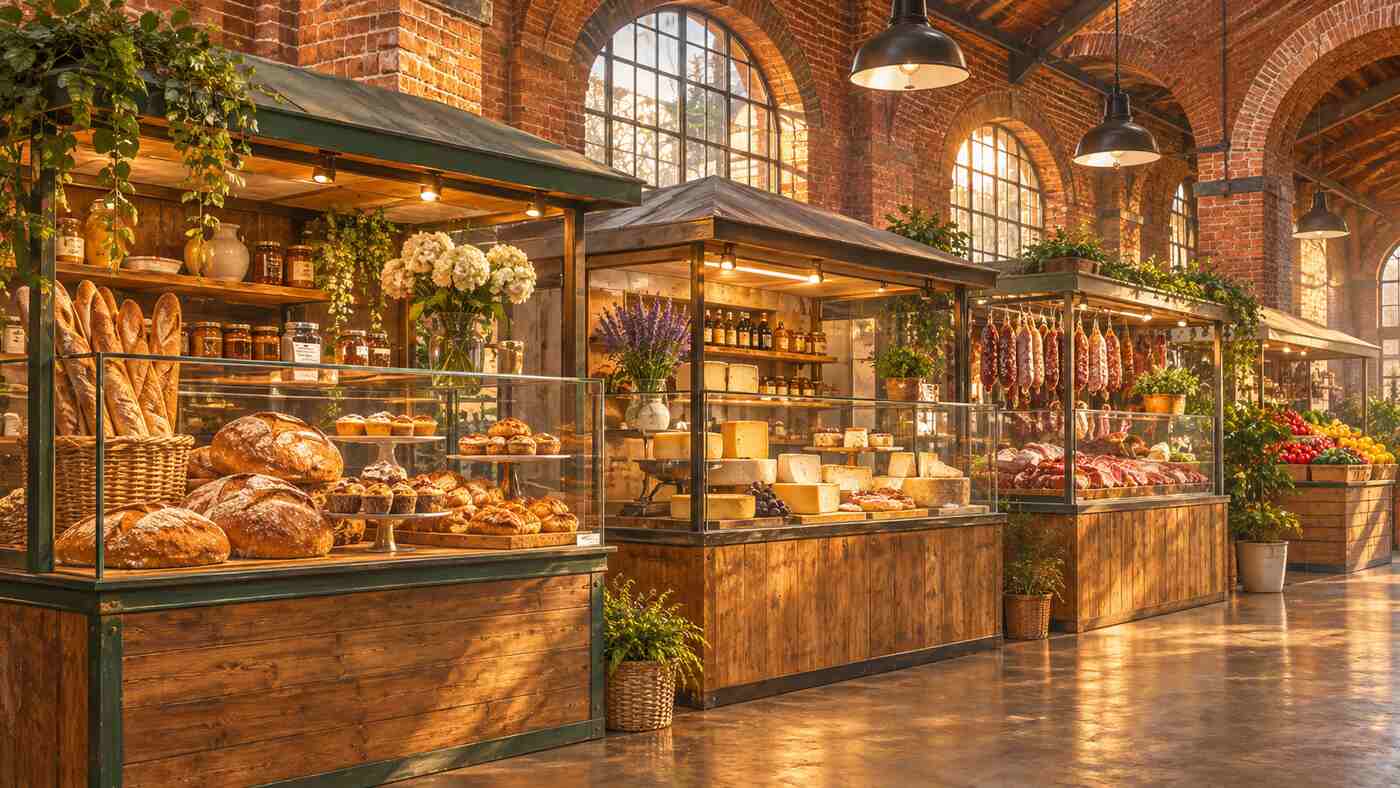
    Small artisan food stalls with glass fronts inside a brick hall with warm light
    Vendors put production at the front of their stalls. Illustration.

    The conversion and opening, 2012 to 2013

    The Bend study records that Mickey and Kyle Zeppelin of Zeppelin Development bought the vacant foundry in 2012 and worked with Dynia Architects and BRS Architects to convert the roughly 25,000-square-foot brick building. They kept the 40-foot peaked ceilings, the original steel foundry crane, raw brick and decades-old graffiti, and designed tenant storefronts so that production happened at the front of each stall.

    Public money played a part. The same study cites the Denver Urban Renewal Authority (DURA), which approved the Ironworks Foundry urban renewal area in 2012. The project cost about $4.7 million, and DURA approved up to $1.115 million in TIF reimbursement. The Denver Post reports that The Source first opened in late August 2013, with most vendors in place by November; Zeppelin dates completion of the first phase to December 2013.

    Timeline of The Source

    YearEvent
    1880sColorado Iron Works foundry built on Brighton Boulevard
    2012Zeppelin Development buys the vacant building; DURA approves the urban renewal area
    2013Market hall opens in phases between late summer and December
    2014RiNo Yacht Club takes the central bar; Denver Mayor’s Design Award
    2018The Source Hotel and second market hall open
    2019RiNo Yacht Club leaves; Isabel takes the central bar
    A butcher's counter with cuts of meat and a hanging scale in a rustic market stall
    A whole-animal butcher was among the first tenants. Illustration.

    The first tenants and the central bar

    The early line-up read like a list of Denver’s food makers. The Bend study names Acorn, Comida, CapRock, Babettes Artisan Bread, Western Daughters Butcher, Crooked Stave brewery, Boxcar Coffee and Mondo Market among the first storefronts. By its first anniversary, The Denver Post counted 15 vendors in the 26,000-square-foot building, which was at capacity.

    Only one vendor turned over in that first year. CapRock Farm Bar left the shared central space, and RiNo Yacht Club took it over in September 2014, as Eater Denver and Westword reported. The bar’s owners also ran Proper Pour, a bottle shop in the building. The story of that bar, its menus and its move is told in full in our history of RiNo Yacht Club. Justin Croft, The Source’s general manager, told The Denver Post that RiNo was “still pretty gritty” and becoming a locals’ destination.

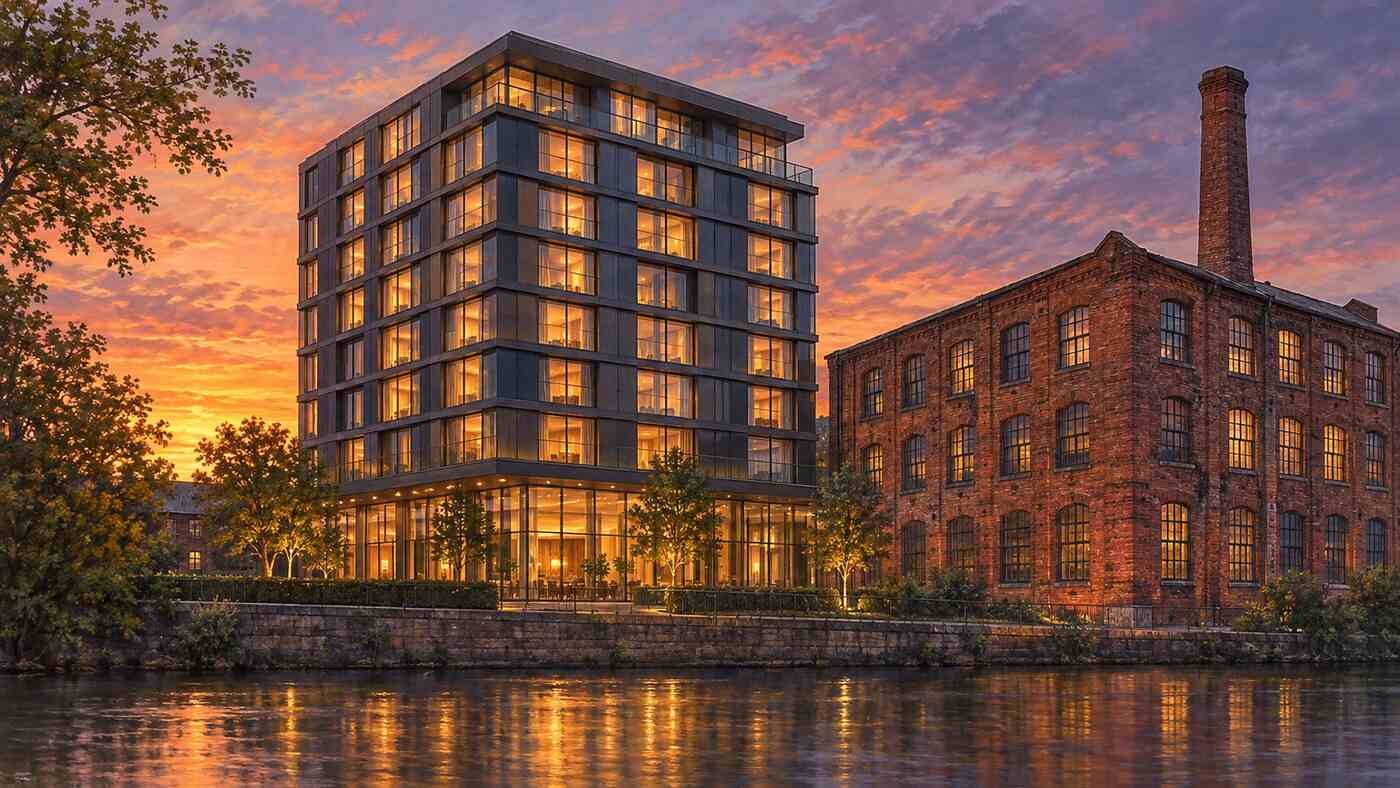
    A modern eight-storey hotel tower beside an old brick industrial building at dusk
    The hotel tower was designed as a modern counterpoint to the foundry. Illustration.

    The Source Hotel and Market Hall

    The expansion came five years after the opening. Zeppelin describes a 50,000-square-foot market hall and 100-room hotel, River North’s first independent hotel, with two new restaurants, shops and a New Belgium brewery. The Denver Architectural Foundation, which toured the site in September 2017, described an eight-storey tower developed with the group behind Boulder’s St Julien Hotel, two market halls totalling 45,000 square feet, about 25 artisans and a rooftop restaurant, pool and beer garden.

    Zeppelin says the tower was designed as a modern counterpoint to the foundry and to “resemble a stack of the smaller-scale industrial buildings” of River North. Condé Nast Traveler called The Source “RiNo’s nucleus” and said its opening put the district first on the local and then the national map.

    A rooftop terrace at dusk looking over low industrial roofs toward a city skyline and mountains
    The hotel’s rooftop looks over RiNo toward downtown and the mountains. Illustration.

    How The Source changed after 2019

    Market halls turn over, and The Source did too. In March 2019 Eater Denver reported that Isabel, a bar serving juices and wellness shots by day and Latin American cocktails by night, had taken over the old RiNo Yacht Club space in the centre of the original foundry. Neighbouring bars and hotels kept arriving in the district; Death & Co opened in the Ramble Hotel a few blocks away in 2018, a story covered in our guide to Denver cocktail bars.

    Key takeaways

    • The Source Denver occupies the 1880s Colorado Iron Works foundry at 3350 Brighton Blvd.
    • Zeppelin Development bought the empty building in 2012 and opened Denver’s first modern market hall in 2013.
    • The conversion kept the crane, brick and high ceilings, and was part-funded through DURA tax-increment financing.
    • RiNo Yacht Club ran the central bar from 2014 to 2019.
    • A 100-room hotel and second market hall opened next door in 2018.

    Common questions

    When did The Source open in Denver?

    The Denver Post reports that The Source first opened in late August 2013 and marks its anniversary on 8 November, when most vendors were in place. Zeppelin Development lists phase one of the market hall as completed in December 2013. The hall opened in stages over those months.

    What was The Source building before?

    An iron foundry. The Colorado Iron Works built it in the 1880s, and it was later used by a mercantile company, a wire and hardware firm, a farm equipment dealer and Bud’s Warehouse before standing vacant until Zeppelin Development bought it in 2012.

    Is The Source Hotel part of the market hall?

    Yes. The hotel opened in 2018 as an expansion of the complex, with 100 rooms, a second market hall, restaurants, a rooftop terrace and a New Belgium brewery. Zeppelin describes it as River North’s first independent hotel.

    Where is The Source Denver?

    On Brighton Boulevard in the River North Art District, north of downtown Denver. The original hall is at 3350 Brighton Blvd and the hotel at 3330 Brighton Blvd, in an area historically shaped by the South Platte River and railroad yards.

    How we put this together: the building’s history, the conversion and the DURA figures come from the City of Bend’s 2026 study, which cites DURA and 303 Magazine; opening dates and vendor counts come from The Denver Post and Zeppelin Development; the hotel details come from Zeppelin and the Denver Architectural Foundation; the street history comes from Denver’s River North Plan.

    Sources